Influence
Why is Ahn Sang-Soo an influential typographer?
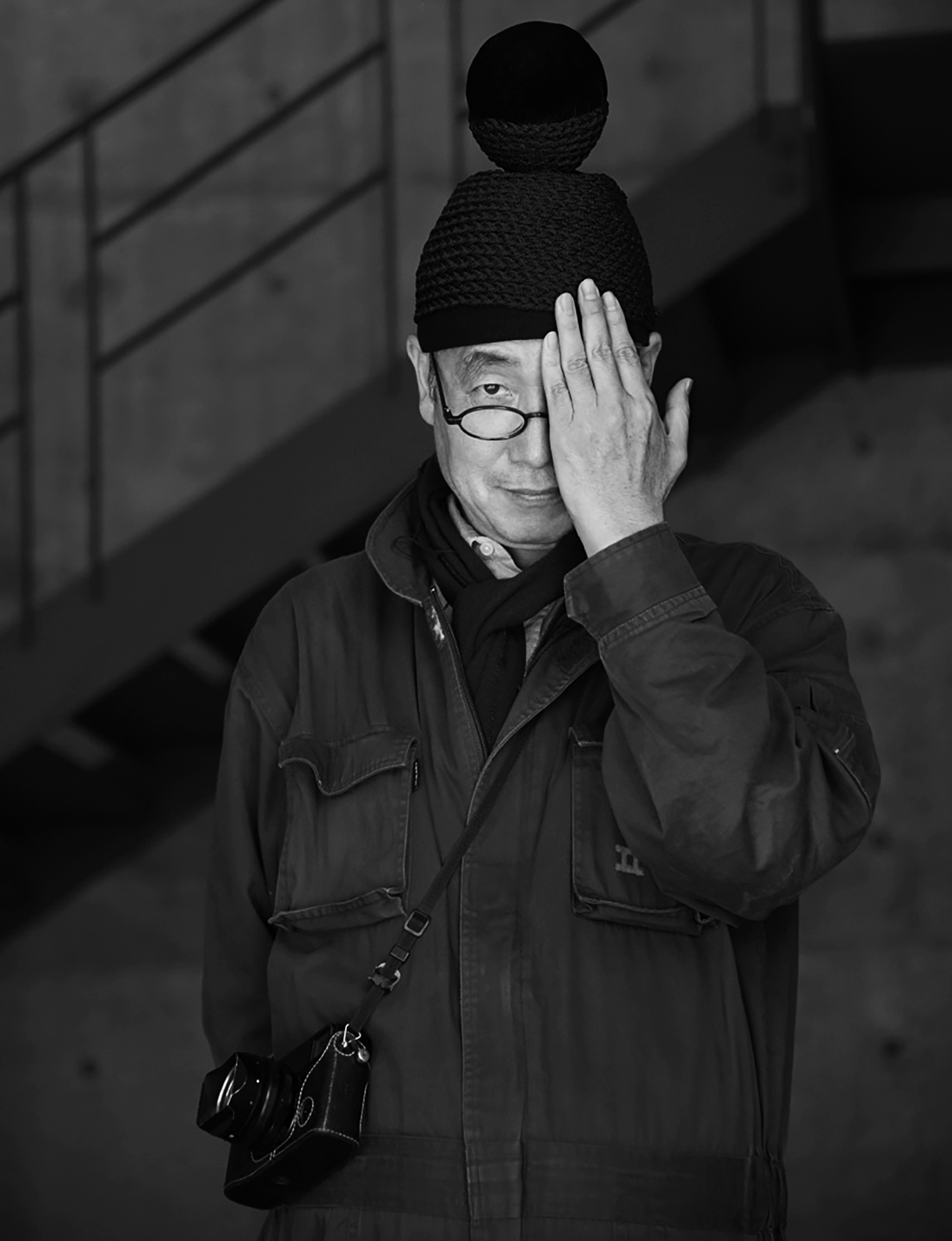
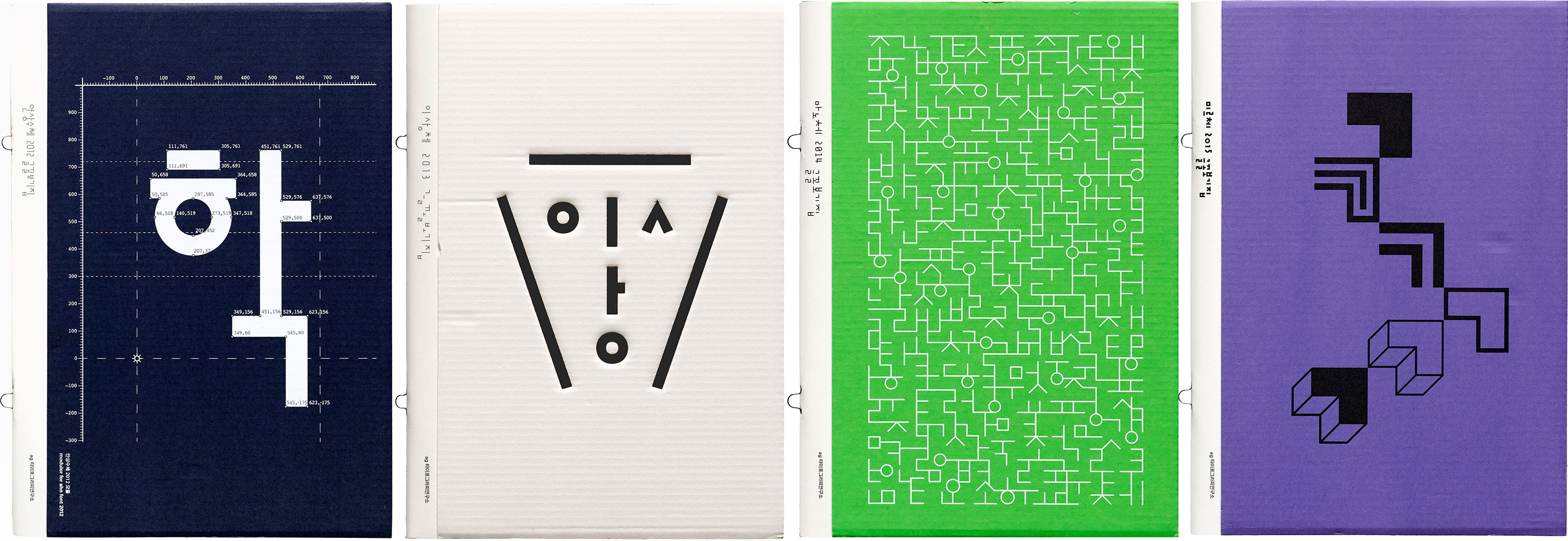
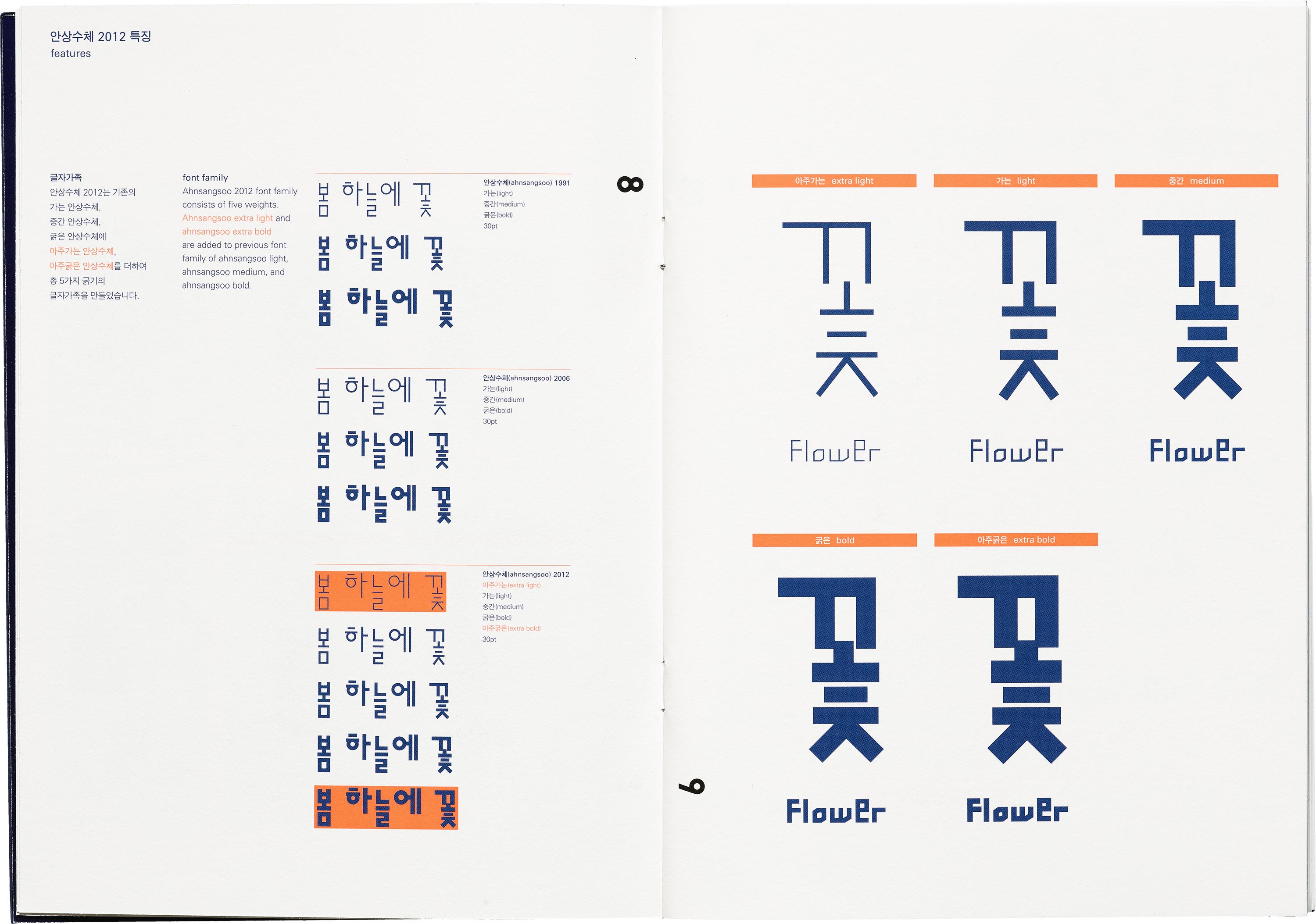
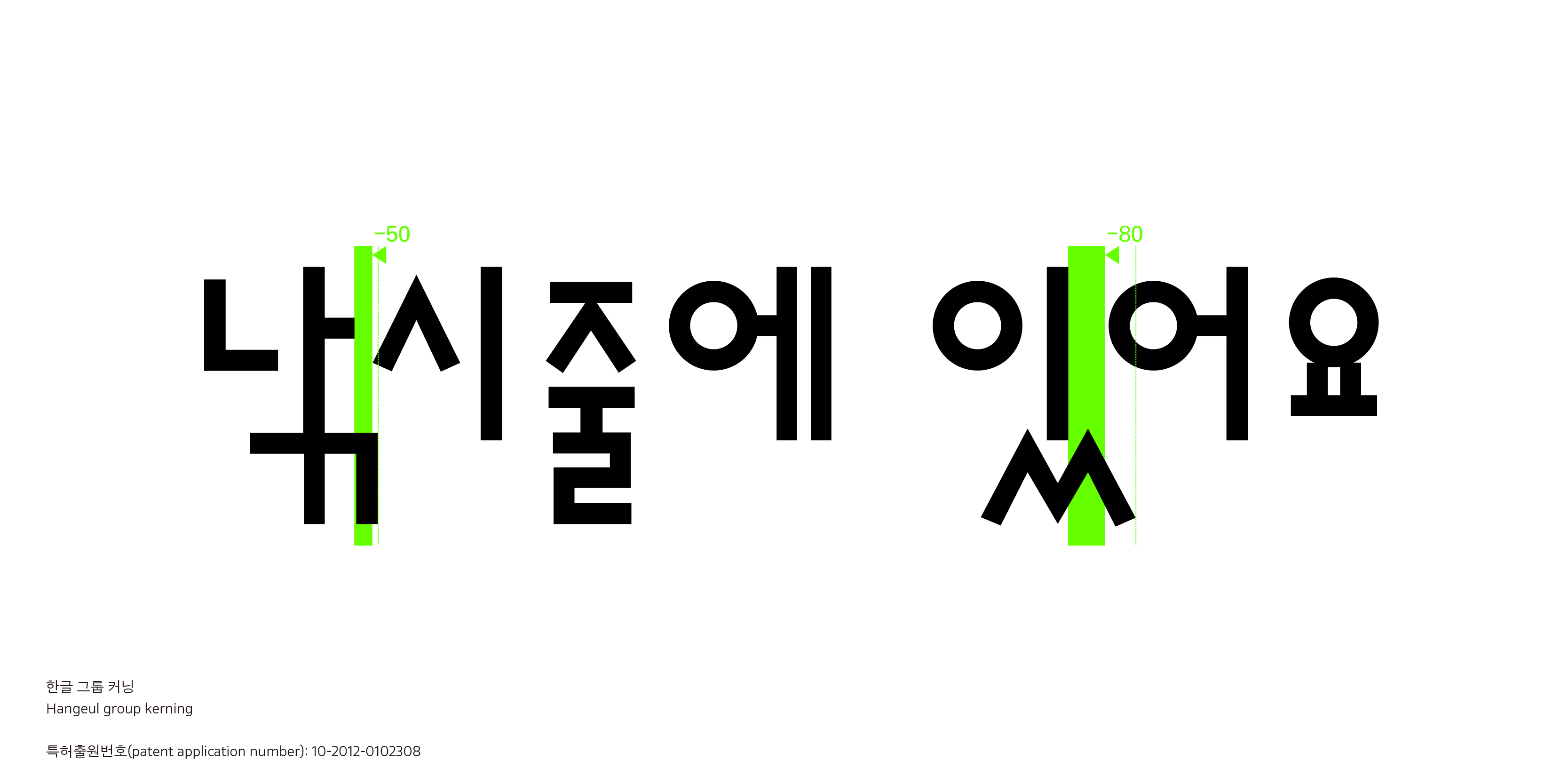
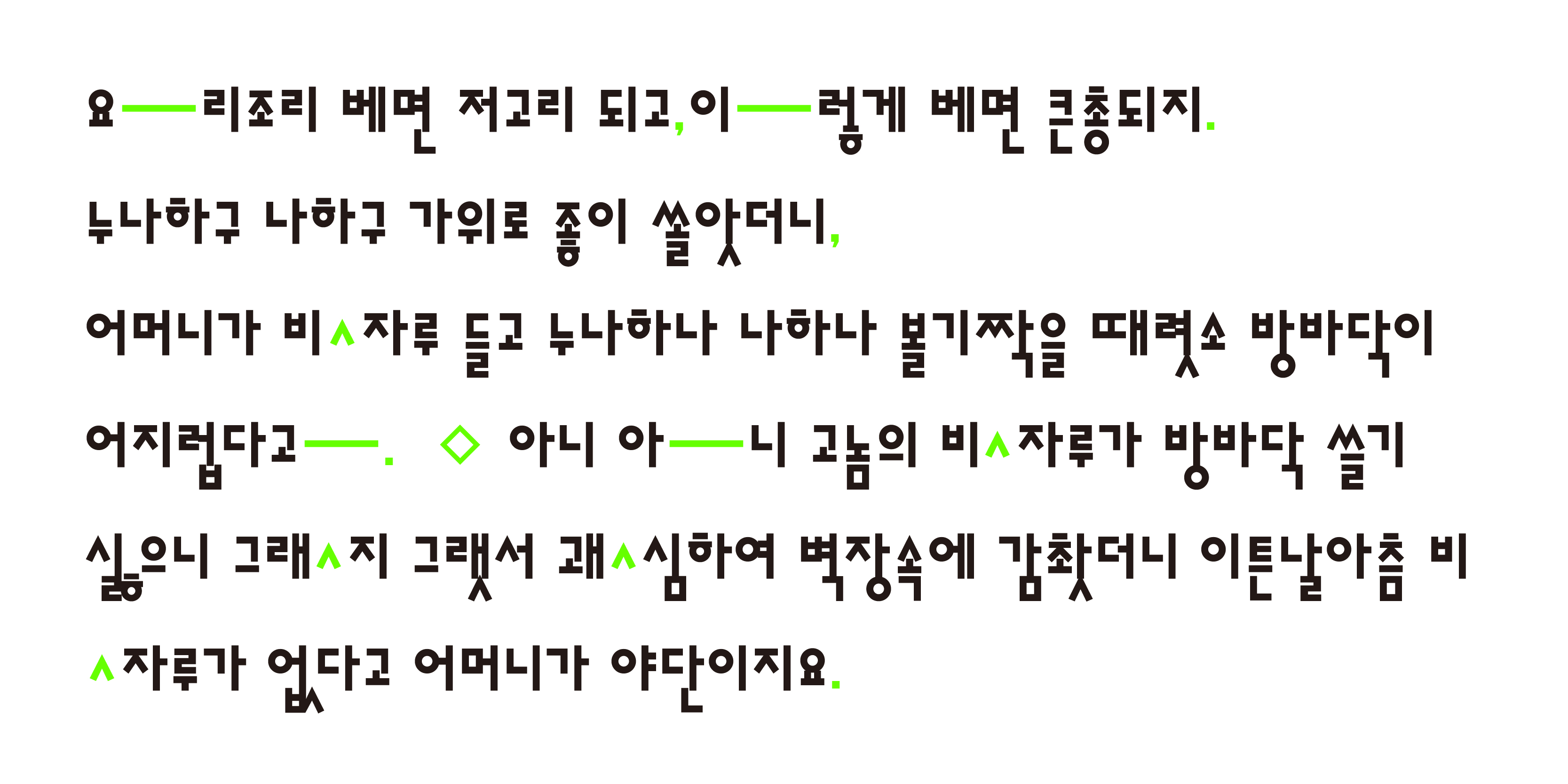
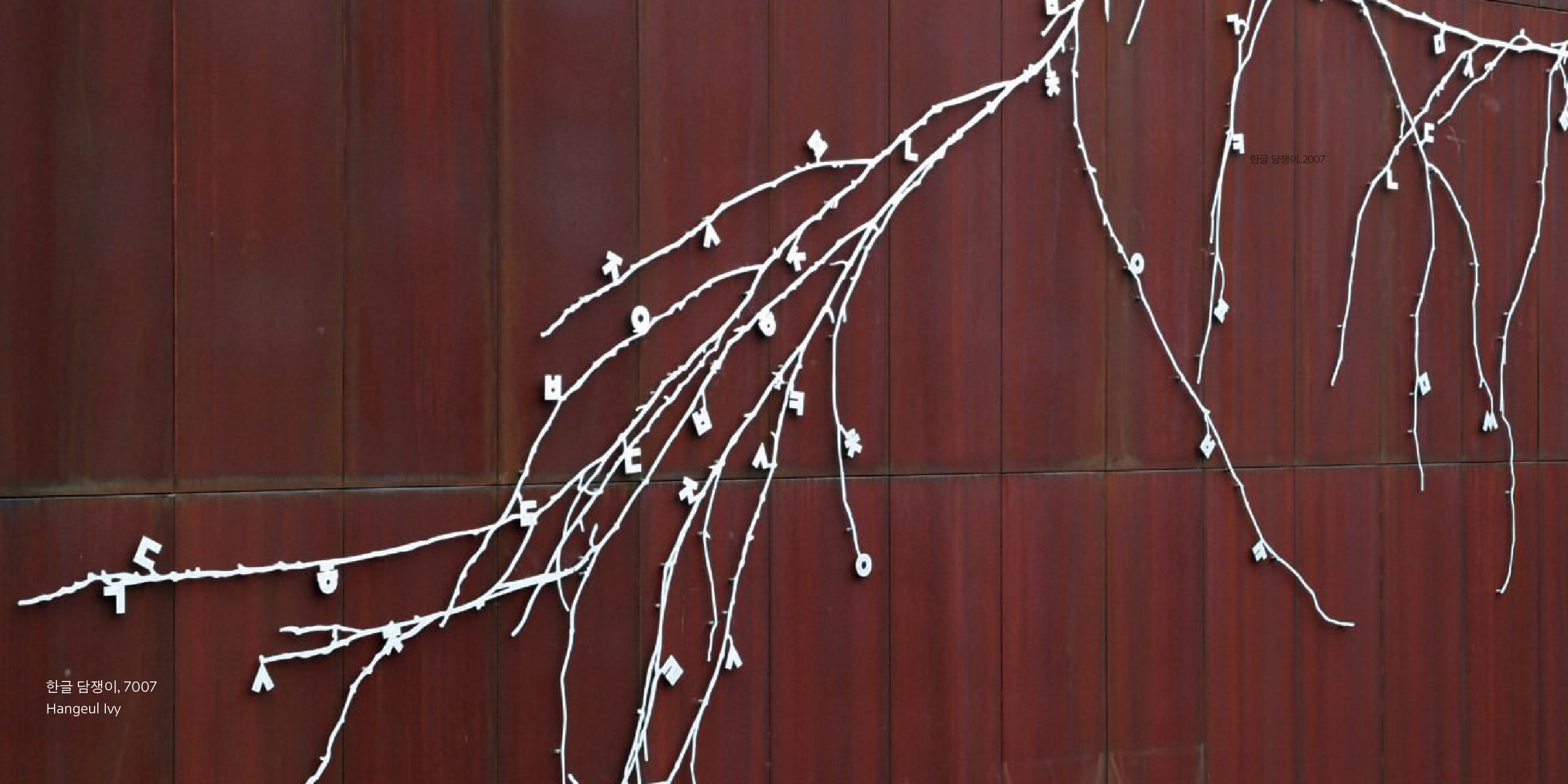
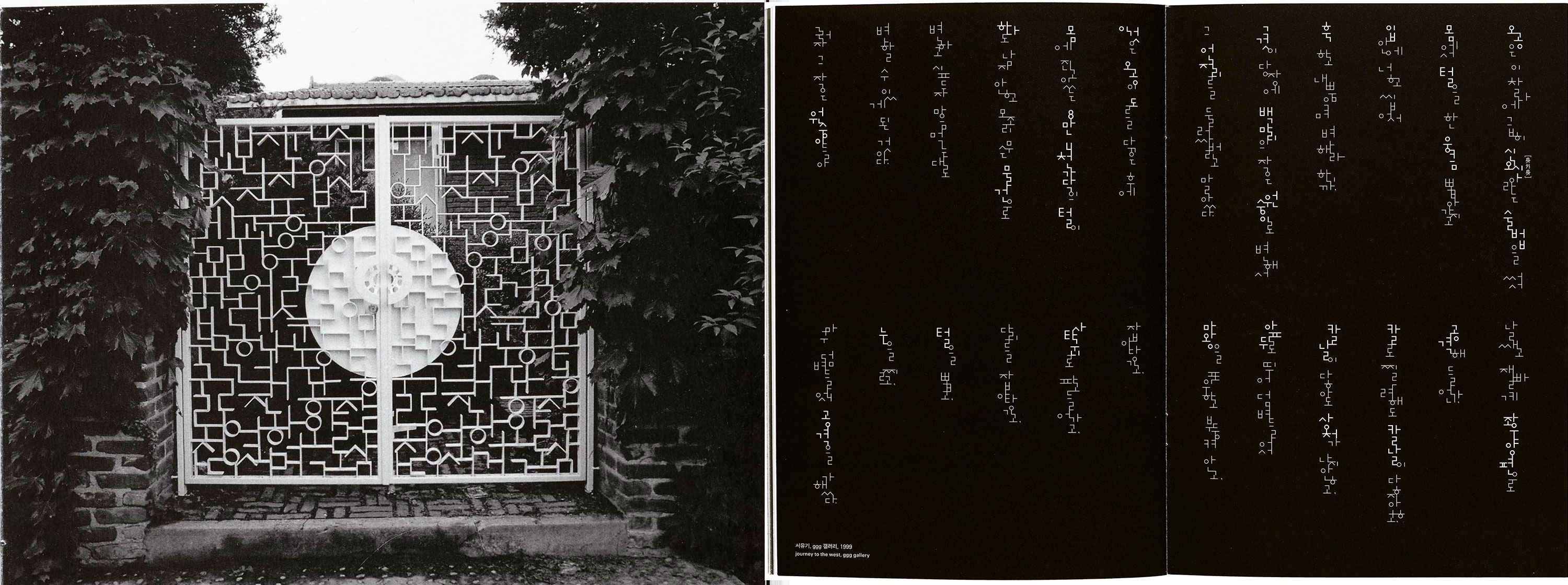
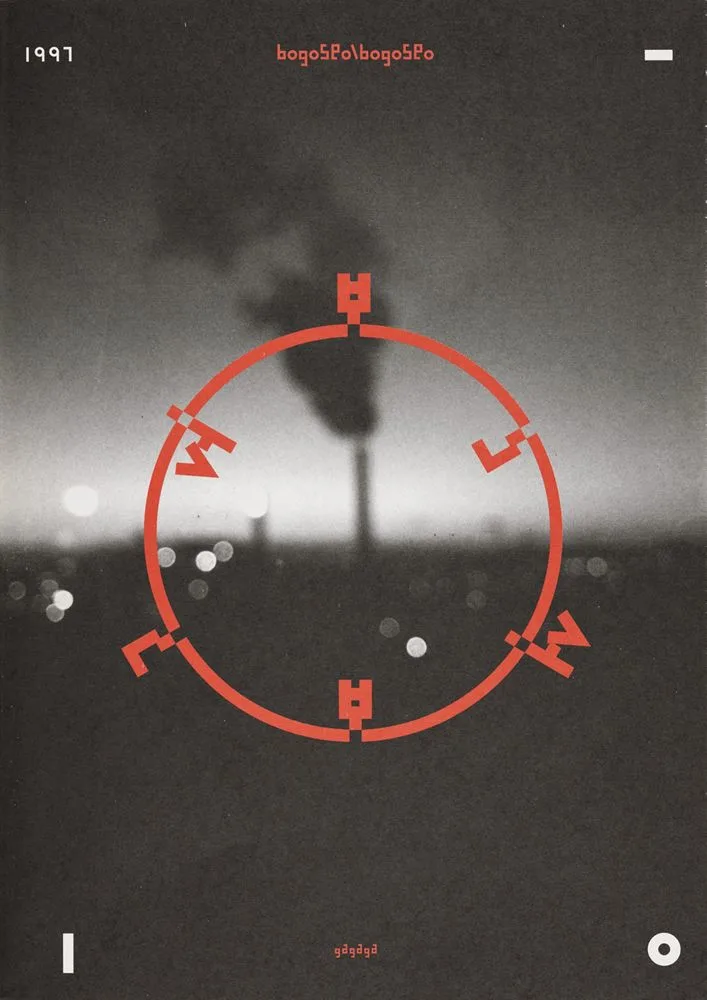
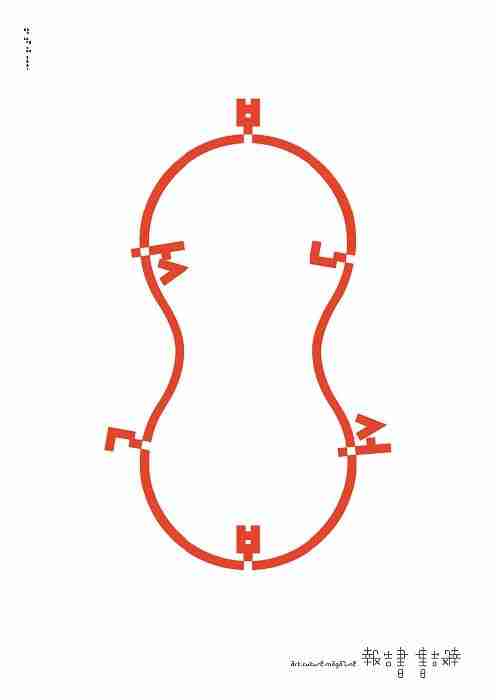
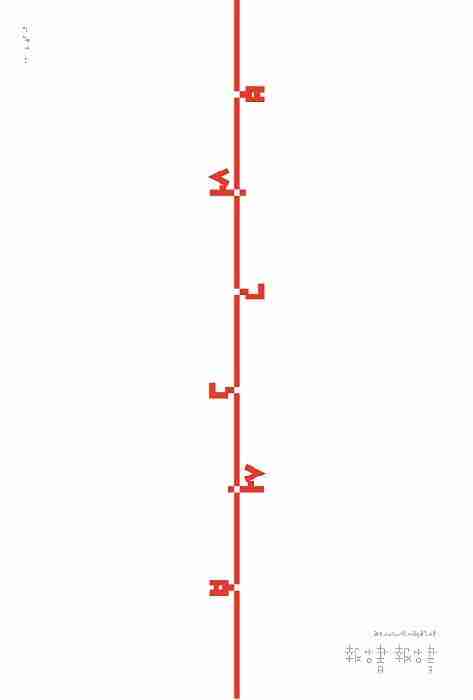
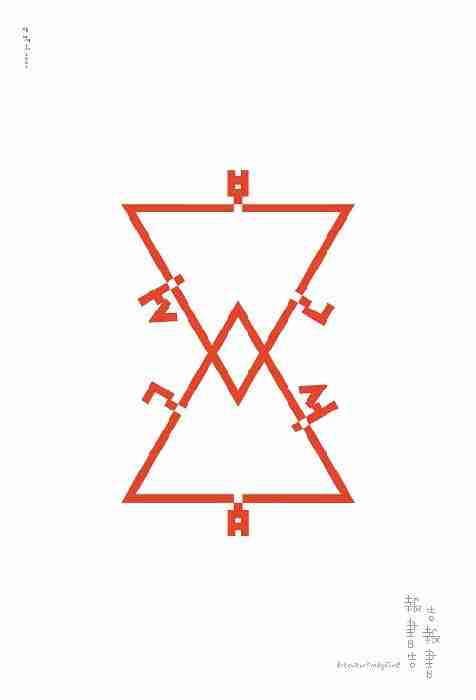
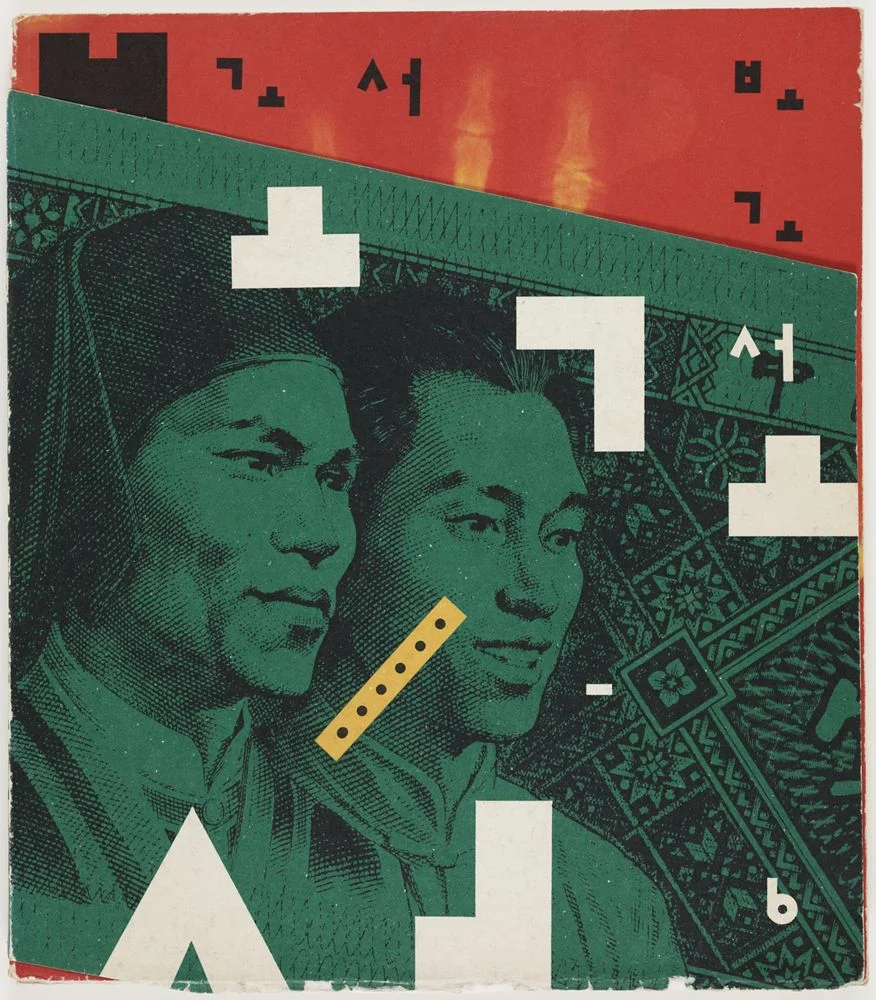
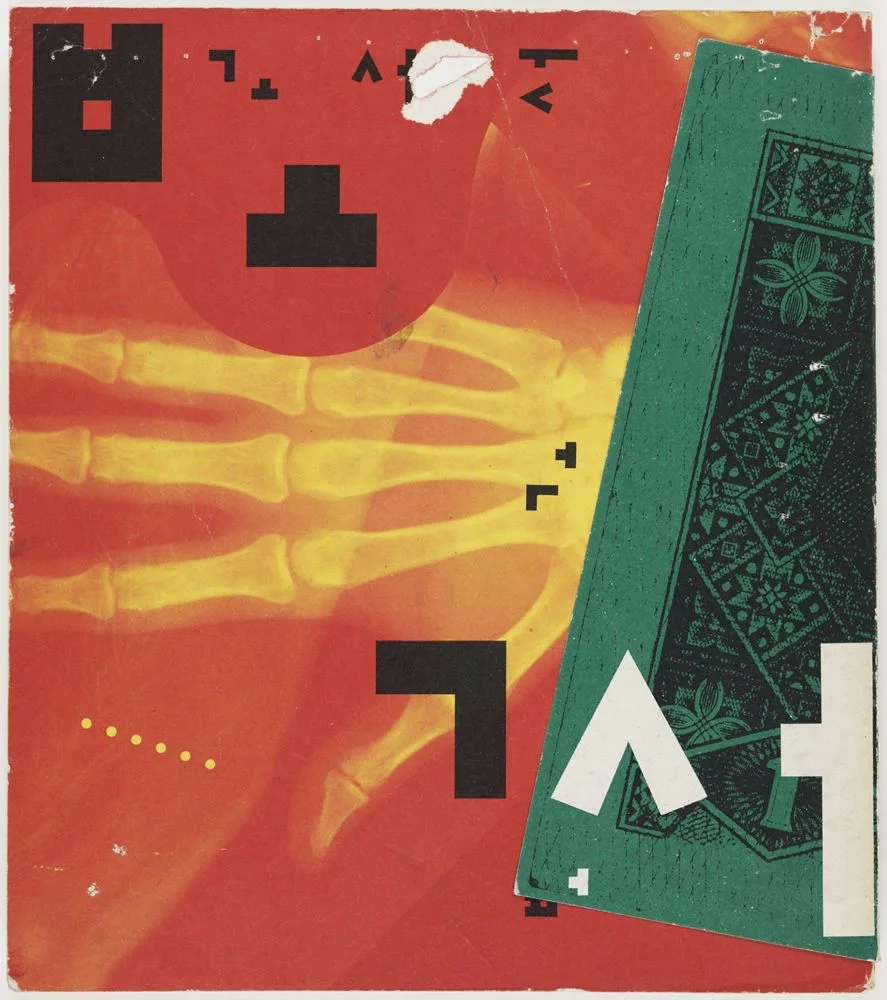
Ahn Sang-Soo is revered as a highly influential typographer for completely transforming the perception and application of the Korean alphabet, Hangul, moving it from a purely functional writing system to a dynamic graphic medium. Before his work, Hangul was largely confined to rigid, traditional constraints inherited from Chinese character formatting. Ahn broke these moulds, proving that the script could be visually experimental and expressive while maintaining its structural integrity. His profound passion for Hangul, which he described as being “possessed” by the script, drove his continuous typographic creativity and his belief that letters are the key to preserving culture.
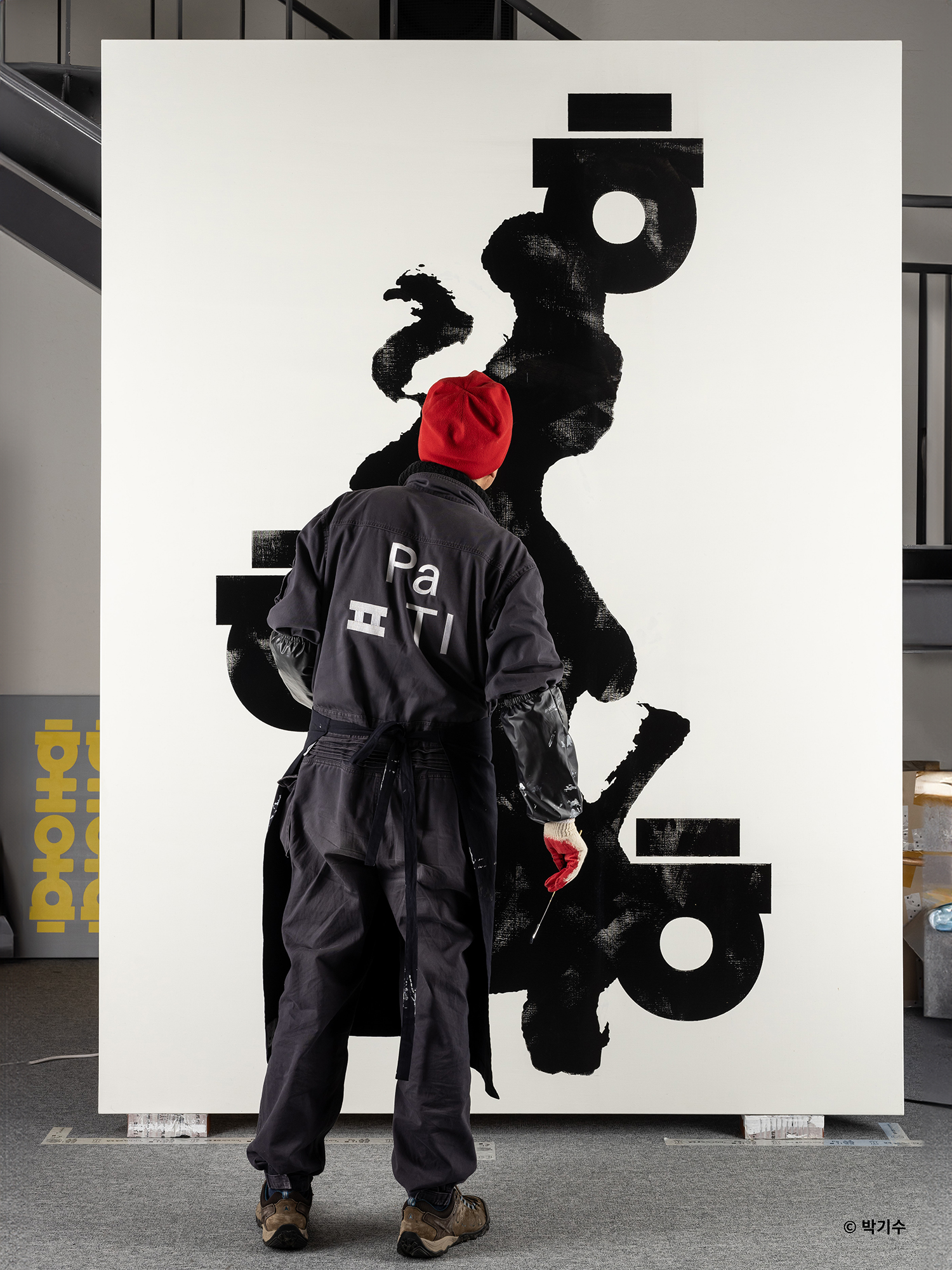
Beyond his personal design achievements, Ahn’s influence is deeply rooted in his extensive career as an educator and institutional leader. He served as a professor in the Visual Communication Design Department at Hongik University from 1991 until his early retirement in 2012. Following this, he founded the Paju Typography Institute (PaTI) in 2012, an alternative design school dedicated to a unique educational program rooted in local culture, where he currently serves as the principal. He also established the AG Typography Institute, an organization committed to the research, design, and exhibition of new typefaces.
Internationally, Ahn has acted as a vital bridge between East Asian design and the global typographic community. He served as the vice-president of the International Council of Graphic Design Associations (Icograda) from 1997 to 2001 and has chaired the international typography biennale, TypoJanchi, since 2001. His innovative contributions and global advocacy earned him prestigious accolades, including the Gutenberg Prize from the city of Leipzig in 2007. Through his combined efforts in groundbreaking design, dedicated education, and international leadership, Ahn Sang-Soo has cemented his legacy as the “godfather of Korean typography,” continually championing the field of linguistic illustration.